
How Quiet Asphalt Cuts Traffic Noise in Half Without Ugly Sound Walls
Urban areas worldwide constantly grapple with the challenge of traffic noise pollution. A novel approach utilizing quiet asphalt promises a solution that harmoniously integrates with the environment while effectively combating noise pollution. Partnering with a skilled asphalt contractor can help municipalities adopt these innovative surface designs, ensuring high-quality installation and long-lasting performance for urban roadways.
Quiet asphalt addresses the longstanding problem of traffic noise by minimizing the need for intrusive physical barriers. These specially designed asphalt surfaces focus on reducing noise at the source, which is the road itself. Beyond its functional benefits, quiet asphalt aligns with growing trends toward sustainable city living and innovation in materials technology, setting a new standard for environmentally friendly infrastructure development as cities expand.
Understanding Traffic Noise Pollution Dynamics
Traffic noise pollution is more than just a nuisance because it poses significant environmental and health challenges. Prolonged exposure to elevated noise levels can lead to cardiovascular issues, stress, and sleep disturbances among urban residents. Ecologically, high noise levels can disrupt local wildlife, affecting their communication and habitat usage significantly.
Reduction strategies have traditionally focused on tackling these detrimental effects through engineering and environmental controls. As urban populations swell, successfully managing noise pollution becomes imperative for sustainable living standards, making advanced infrastructure solutions essential for modern cities.
Identifying Primary Sources of Road Noise
Traffic noise primarily emanates from vehicle engines, tire-road interactions, and aerodynamic effects. The intensity of noise can vary depending on vehicle type, speed, and road surface. Engine noise dominates at lower speeds, while tire and aerodynamic noise prevail at higher speeds along major thoroughfares.
Urban designs often amplify these noise levels, with buildings and paved surfaces reflecting sound waves throughout the community. Enhancing road surface design via quiet asphalt can address the issue more effectively at its source, providing a practical solution for long-term noise mitigation.
Explaining Decibel Levels and Noise Impact
Noise levels are quantified using the decibel scale, which is logarithmic to reflect the relative intensity of sounds perceived by the human ear. A small change in decibel levels results in a significant change in perceived loudness, where even minor adjustments create noticeable improvements in daily comfort.
According to the Asphalt Pavement Alliance, custom smooth road surface builds can lower highway sound outputs by as much as 7 decibels, which efficiently halves perceived vehicle noise. Working alongside a qualified asphalt contractor ensures these precise surface formulations are applied correctly to yield maximum acoustic benefits for surrounding neighborhoods.
Evaluating Traditional Noise Mitigation Methods
Traditionally, noise mitigation has employed physical barriers like sound walls to block or redirect sound waves away from sensitive areas. While effective in certain contexts, these structures often require significant space and can disrupt the visual landscape considerably.
The limitations of sound walls stem from their lack of versatility and aesthetic appeal. They can dominate urban views and create undesirable divisions within communities, whereas quiet paving techniques offer a modern, seamless alternative that integrates naturally into city landscapes.
Analyzing Traffic Noise as a Modern Challenge
With urbanization on the rise, cities face increasing pressure to manage the environmental side effects of concentrated human activity. Traffic noise is one of the most pervasive pollutants, affecting thousands of urban locales across the globe as vehicle numbers increase.
Emerging technologies like quiet asphalt are garnering attention for their multi-faceted benefits and potential to transform urban spaces. Cities that hire a reputable asphalt contractor to install these modern surfaces can achieve superior noise reduction while maintaining clean, open sightlines.
Examining Material Composition and Performance
Quiet asphalt comprises a unique blend of materials designed for optimal noise reduction. Its composition typically includes a blend of asphalt, aggregate, and polymers, engineered to enhance sound absorption while promoting surface smoothness under heavy traffic conditions.
The specific polymer additives serve to increase durability while maintaining the necessary flexibility for urban road conditions. Material science plays a crucial role in realizing the potential of quiet asphalt for modern infrastructure projects.
Understanding Porous Structures and Sound Absorption
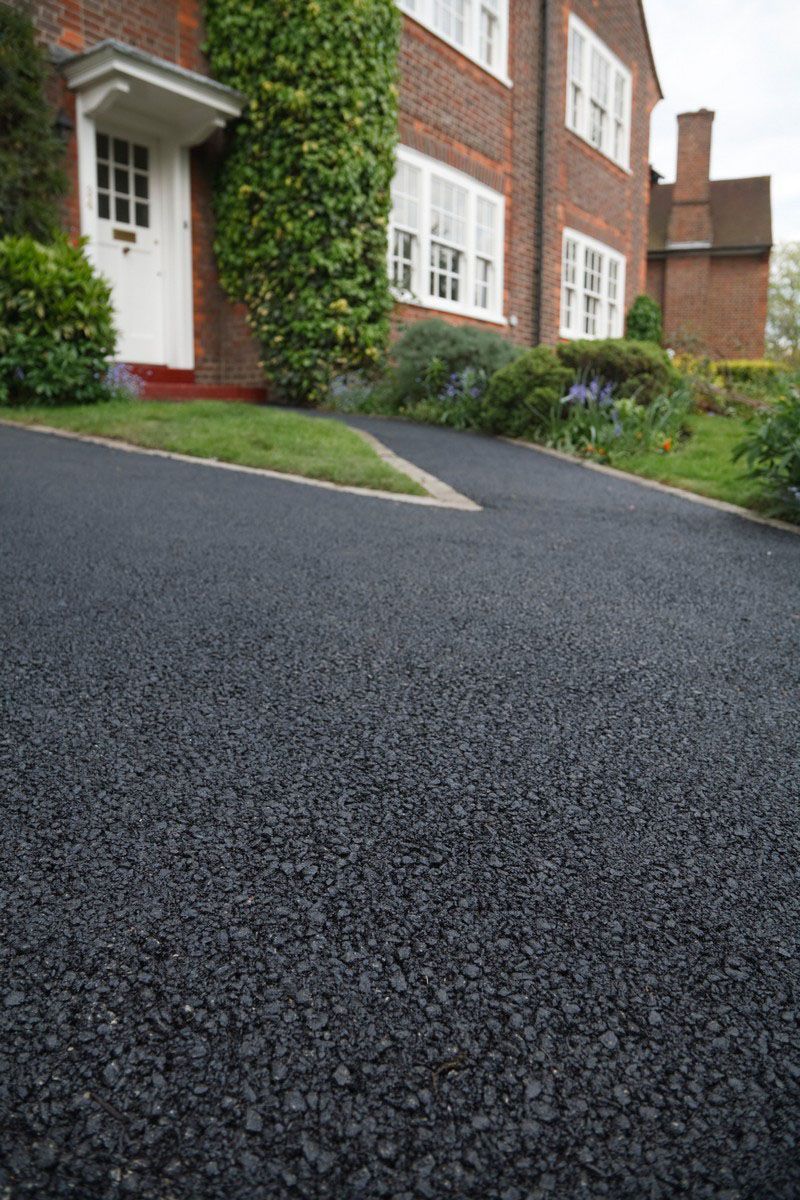
A key feature of quiet asphalt is its porous structure, which aids in sound absorption. The interconnected voids within the pavement trap airborne sound waves, reducing noise reflection and propagation across the nearby landscape.
The porosity also plays a role in improving drainage, reducing water spray and hydroplaning risks during rain. An experienced asphalt contractor understands how to lay these specialized mixtures to maintain structural integrity while maximizing drainage and sound reduction.
Optimizing Pavement Design for Maximum Quiet
The design of the pavement is critical in maximizing the noise-reducing properties of quiet asphalt. Engineers focus not only on the materials but also on the structural design and thickness of the asphalt layers to achieve ideal acoustics.
Building on traditional methods, innovative designs incorporate additional layers for enhanced acoustic performance. Designing with noise reduction in mind ensures that material properties are fully leveraged across diverse traffic environments.
Exploring Technological Advancements in Paving
Asphalt technology has advanced significantly, with innovations leading to quieter, more durable pavements. Modern asphalt formulations prioritize strength, performance, environmental impact, and recyclability to support sustainable development goals.
Beyond material improvements, advancements also target construction techniques and specialized equipment. Municipalities often choose a reliable asphalt contractor who stays up to date on these technological breakthroughs to execute complex paving projects efficiently.
Reviewing Successful Real-World Implementations
Various cities globally have adopted quiet asphalt, reporting promising results in noise reduction and urban compatibility. City trials have demonstrated substantial decreases in roadside and surrounding community noise levels.
These case studies consistently showcase noise reduction successes and environmental advantages. Communities experience enhanced comfort without the need for obstructive barriers, proving the real-world value of advanced surface treatments.
Comparing Visual and Spatial Infrastructure Advantages
Quiet asphalt offers distinct advantages over traditional sound walls, particularly regarding urban aesthetics and spatial efficiency. Unlike bulky walls, quiet asphalt integrates seamlessly into the urban environment without blocking scenic views.
Addressing noise directly at its source eliminates the need for extensive physical barriers. Cities adopting this approach enjoy an unimpeded aesthetic while optimizing land use for other essential urban infrastructure needs.
Assessing Long-Term Cost Efficiency
Implementing quiet asphalt in lieu of traditional sound walls offers significant financial benefits over time. While initial installation costs can be comparable, long-term savings emerge through reduced maintenance and extended pavement lifespan.
Since quiet asphalt requires no additional spatial real estate or complex structural upkeep, cities save on overhead expenses. Engaging a professional asphalt contractor ensures proper surface maintenance, maximizing return on investment over the pavement's operational life.
Evaluating Environmental and Construction Impact
From an environmental perspective, quiet asphalt surpasses traditional sound walls by offering an eco-friendly solution. Its production often harnesses recycled materials, significantly reducing ecological impact and raw material consumption.
Constructing quiet asphalt involves fewer resources than erecting extensive sound barriers. Additionally, eliminating large physical walls prevents habitat fragmentation, allowing local wildlife to move freely across surrounding environments.
Promoting Community Appeal and Property Values
The aesthetic benefits of quiet asphalt extend significantly beyond its unobtrusive presence. By preserving open views and natural urban landscapes, quiet asphalt enhances living spaces, boosting community pride and property values.
Residents in these upgraded areas enjoy peaceful neighborhoods without feeling enclosed by towering concrete structures. Upgraded streets contribute to positive public perception and foster vibrant, inviting urban spaces.
Providing Flexibility in Modern Urban Planning
Quiet asphalt offers unprecedented flexibility in urban planning, accommodating varying architectural and environmental demands. Its unobtrusive integration facilitates multi-use spaces, allowing planners to develop comprehensive transportation networks.
Unlike rigid walls, quiet asphalt paves the way for easy lane expansions, pedestrian pathways, and urban parks. Choosing a skilled asphalt contractor to execute these versatile road designs ensures projects align seamlessly with broader urban development goals.
Overcoming Paving Equipment and Operational Challenges
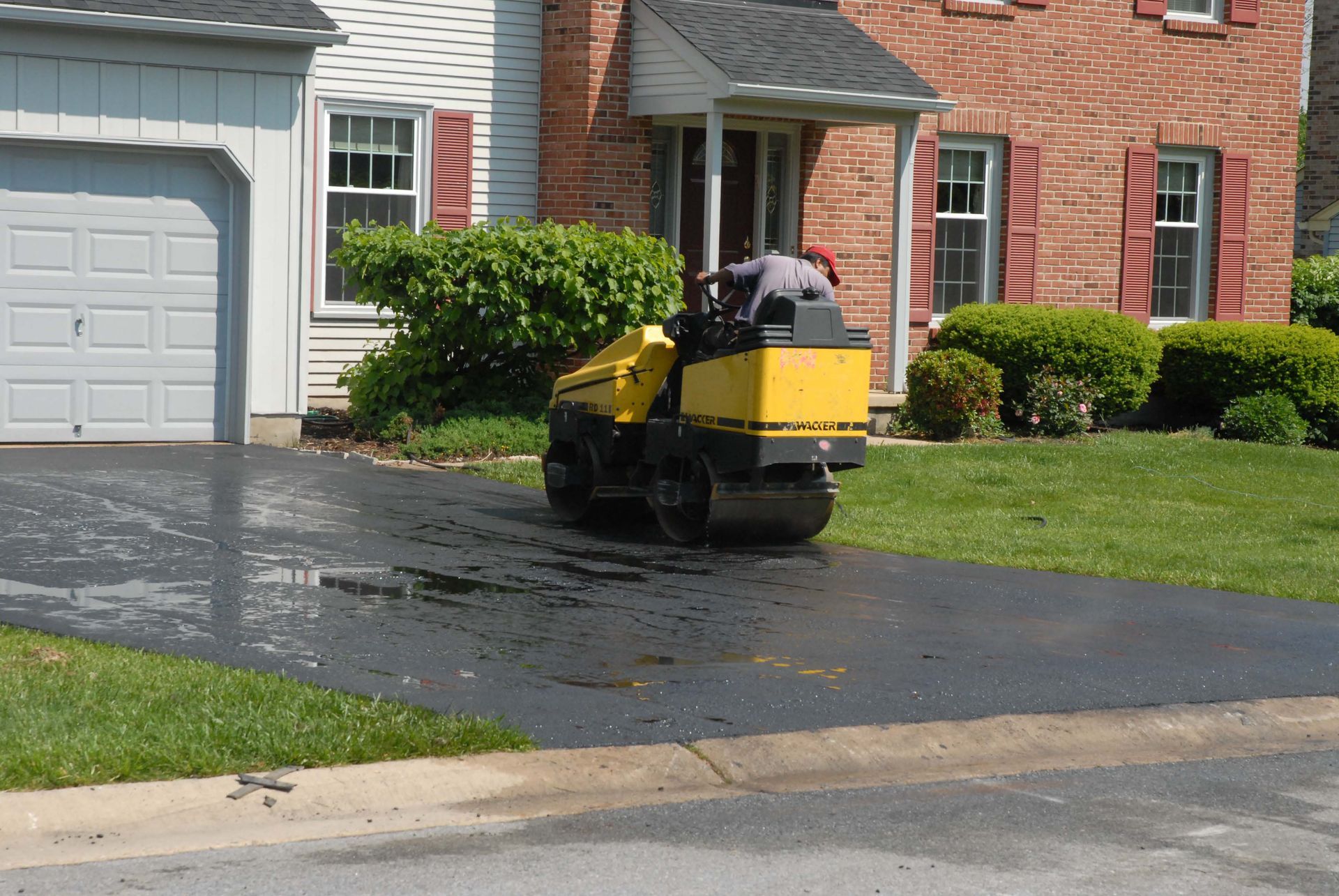
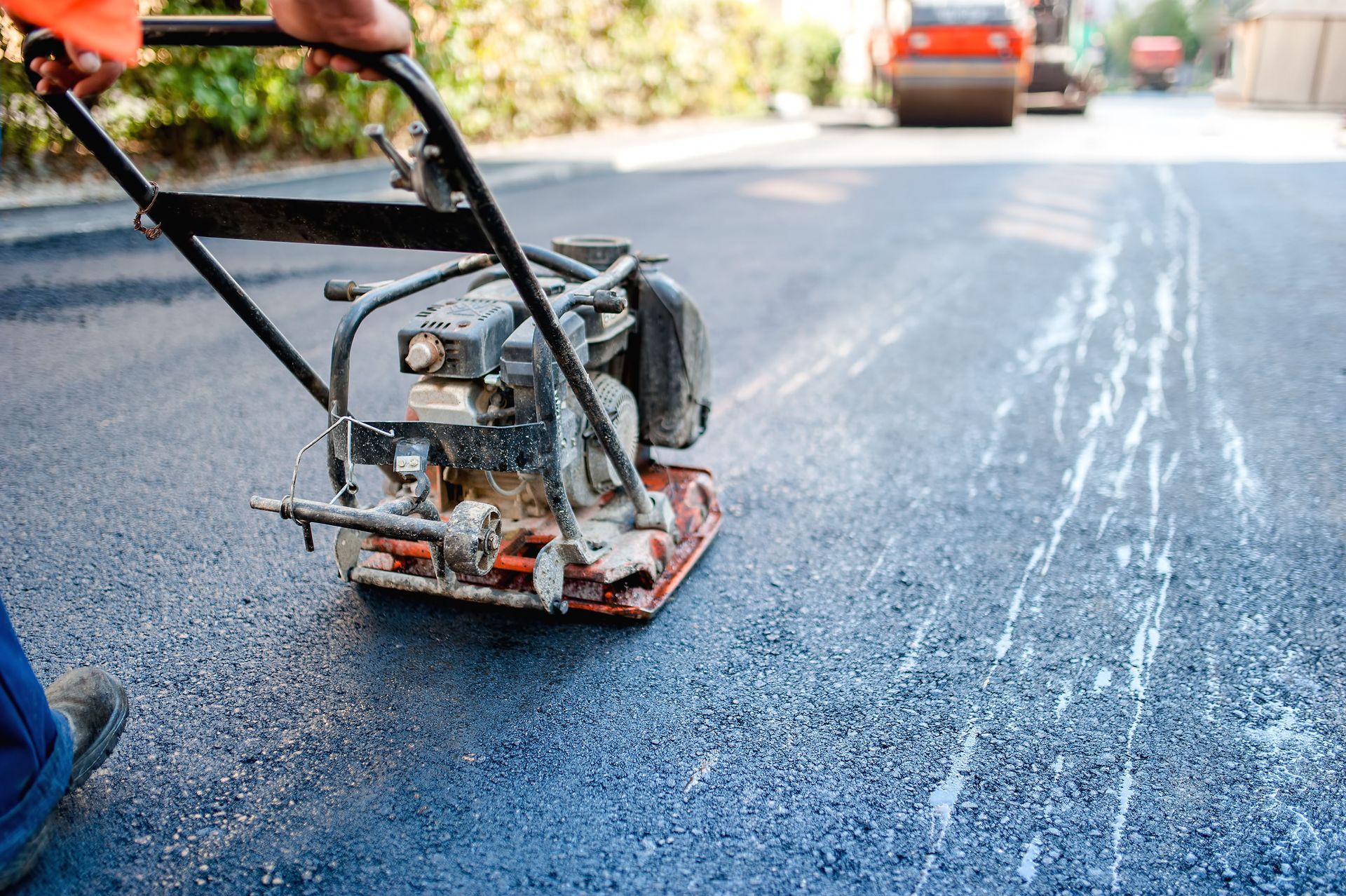
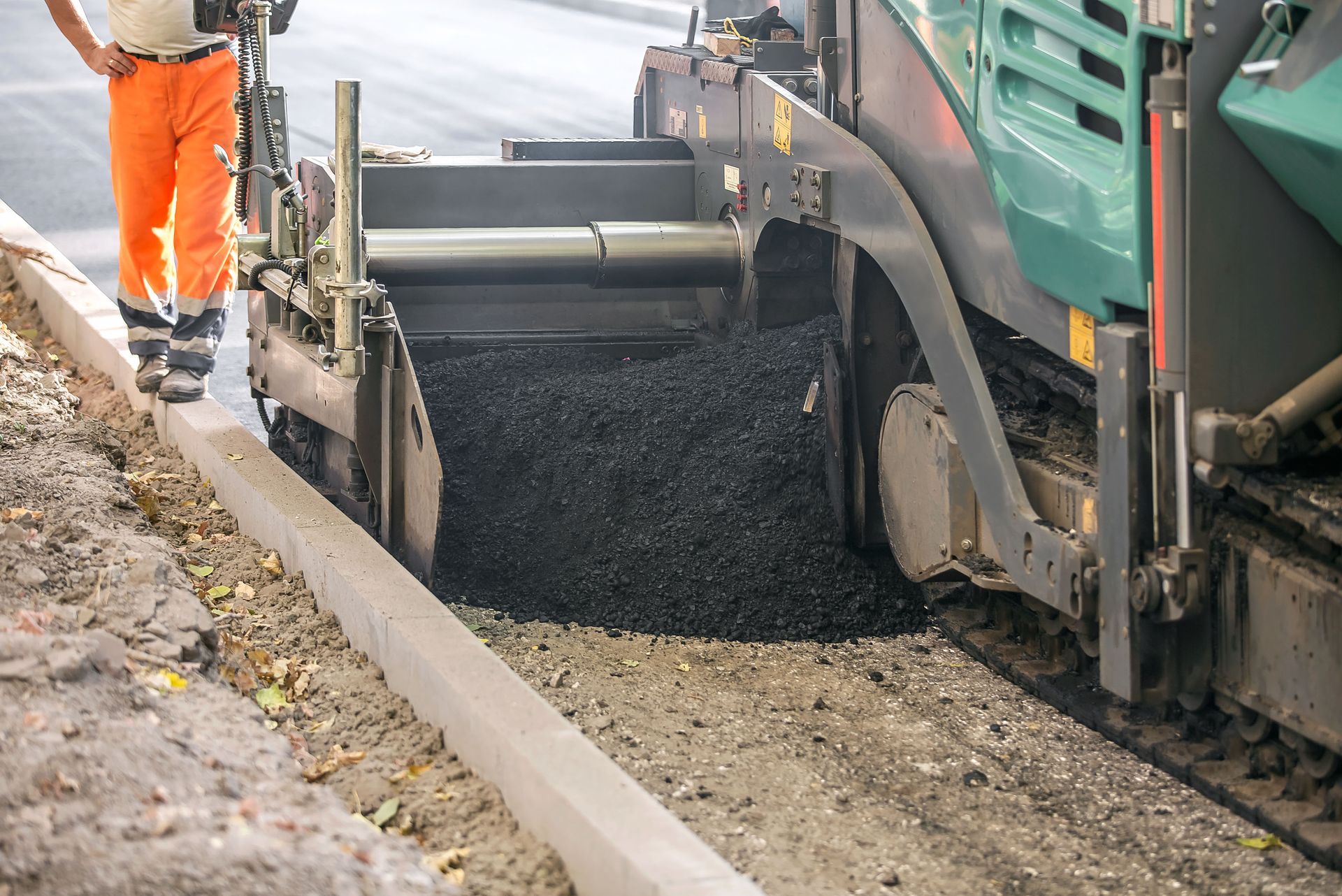
The successful implementation of quiet asphalt necessitates advanced paving techniques and specialized machinery to preserve its noise-reducing properties. Precision in laying the material ensures that the porous texture remains intact during installation.
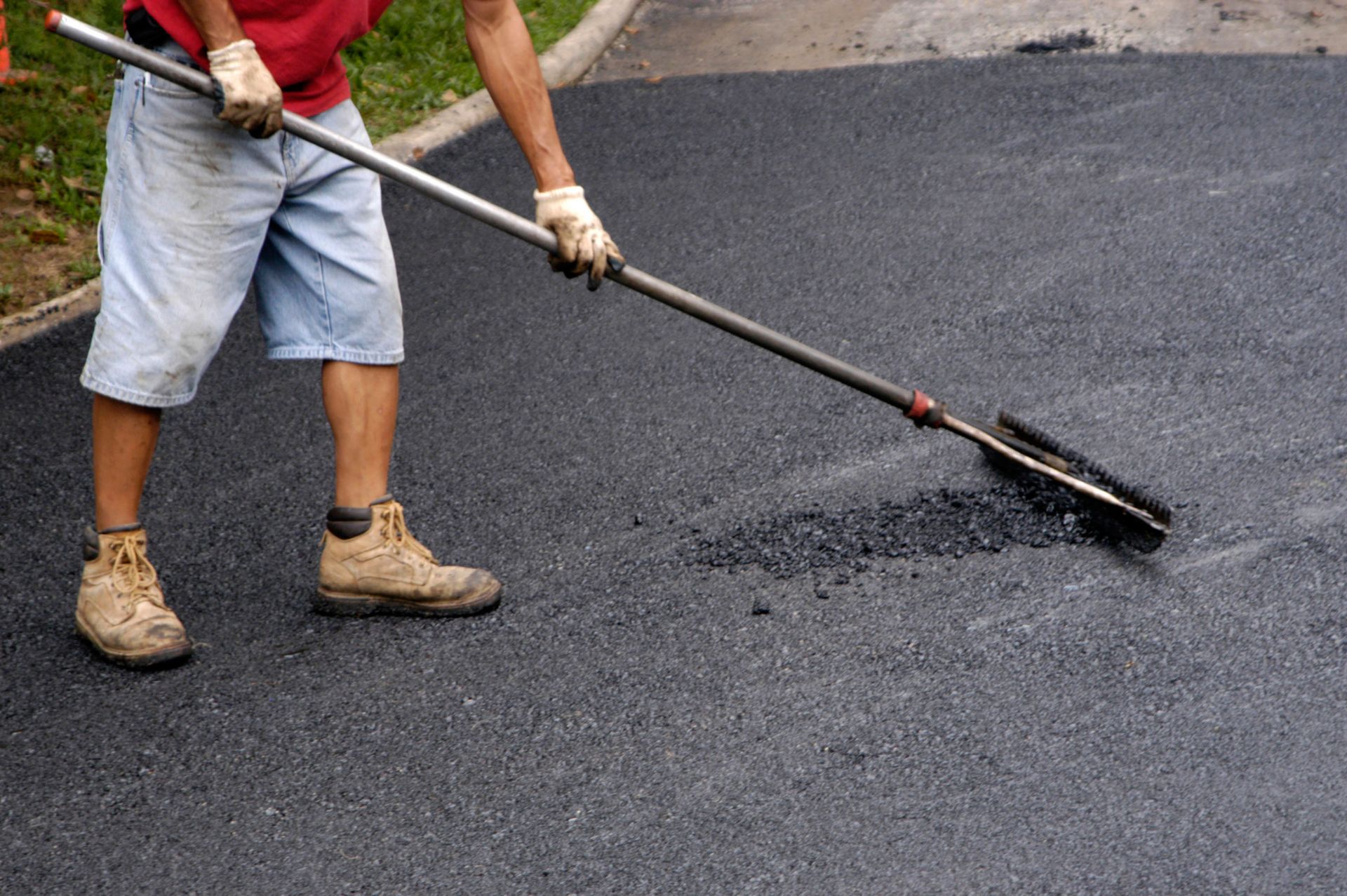
Training for road crews is required to master the intricacies of handling quiet asphalt. Skilled labor is integral to maintaining the technology's long-term benefits and achieving high structural standards across all project phases.
Routine inspection and proactive maintenance guarantee sustained noise control and surface durability. Partner with a dedicated service provider like Advance Paving Co. INC ensures roads receive optimal care, long-term durability, and superior noise reduction performance.

Share On: